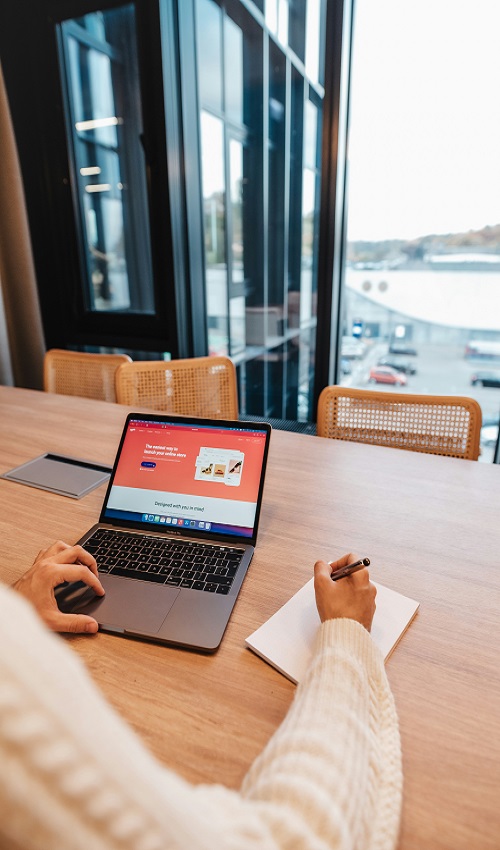

The world of web design is changing faster than ever. As we step into 2026, it’s clear that artificial intelligence is no longer just a tool—it’s shaping how we think, create, and interact online. The way websites look, move, and respond is being redefined by AI in ways that feel almost human. It’s not about fancy tech for the sake of it anymore. It’s about creating digital spaces that truly understand and connect with people.
Think about how you browse the web today. You expect speed, simplicity, and something that feels personal. In 2026, that expectation is taken to the next level. Modern websites can analyze user behavior, predict preferences, and adapt in real time. Designers are leveraging AI to build intelligent layouts, enhance content, and dynamically adjust colors and images for each user.
But here’s the exciting part — these new trends aren’t out of reach. You don’t need a huge team or massive budget to stay ahead. All it takes is knowing where web design is moving and how to align it with your brand’s goals.
In this blog, we’ll explore the biggest web design trends shaping 2026 in the AI age — and more importantly, share simple, actionable tips you can start using today. Whether you’re a designer, business owner, or just curious about where the web is going, this guide will help you stay one step ahead.
Ready to see what the future of web design looks like? Let’s dive in.
Why 2026 is Different for Website Design:
2026 feels different for website design. The way people see and use websites is changing fast. What worked just a few years ago now feels old. This year is about smarter, more personal, and more human web experiences.
In 2026, websites are no longer just online brochures. They are becoming living spaces that adapt to the behavior of each visitor. Designers are focusing more on emotion, not just function. A good website now needs to feel alive and react to the user’s mood, voice, and even time of day.
Artificial intelligence is quietly shaping how designs come to life. Websites can now adjust their layouts or color tones in real-time to suit individual users. This means one website can present a slightly different experience for every user. It makes every visit feel fresh and personal.
Voice interaction is also becoming normal. People don’t always want to type or click anymore. Users now expect to interact with websites and receive instant responses. This shift is pushing designers to think beyond screens and buttons.
Then there’s the way design and technology are blending. Virtual and mixed reality are stepping into web spaces. Some brands are already building mini 3D experiences that visitors can explore without leaving their browser. It’s more immersive and exciting than ever before.
Even the idea of simplicity has changed. Minimalism is still here, but now it’s warmer. Designers now incorporate gentle motion, calming colors, and personal details that create a sense of comfort for users.
2026 is not about following trends. It’s about understanding people. The best designs this year are those that listen, adapt, and make every user feel seen. That’s what makes 2026 stand out—it’s not just the year of smart design, it’s the year of human design.
For professional web design agencies in Dubai, it’s essential to align the needs of the fast-paced, design-conscious local market with emerging global trends.
So let’s explore what’s trending.
1. AI-Driven Personalization Takes Center Stage
Artificial Intelligence is no longer a buzzword — it’s now the creative force behind how websites adapt to users. By 2026, personalization will go beyond displaying a user’s name—it will create dynamic experiences tailored to each visitor’s behavior, preferences, and even mood.
Picture an eCommerce website that customizes product categories according to your browsing behavior, or a travel site that adapts its visuals based on your location or time of day. That’s where we’re heading.
Actionable Tip:
Start small. Use AI tools such as ChatGPT, personalization engines, or AI-driven UX platforms to observe user behavior and deliver content tailored to their needs. Even something simple — like changing homepage banners based on location — can make your website feel more alive and relevant.
Pro Tip: If you’re working with a professional web design agency in Dubai, ask them to integrate AI-driven UX elements that help your site stand out in a competitive market.
2. Conversational Interfaces and AI Chatbots
The days of “Contact Us” forms are fading. Users now prefer real-time conversations with websites. Thanks to AI, conversational interfaces have become smarter and more human-like. In 2026, chatbots are not just customer service tools — they’re becoming part of the user experience design.
They can help users navigate the site, recommend products, and even complete purchases with fewer clicks.
Actionable Tip:
Use an AI-powered chatbot that can understand context and tone. Train it with your brand voice so that conversations feel natural. For websites developed by an agency, confirm that chatbot placement, typically the bottom-right corner, is optimized for visibility without interfering with the user experience.
Also, integrate analytics to see what users frequently ask. This will help you refine both your chatbot and your content strategy.
3. Minimalist Design Gets Smarter
Minimalism has been a dominant trend for years, but in 2026, it’s evolving. The new minimalist web design is about smart simplicity — clean layouts powered by intelligent structure, motion, and micro-interactions.
Instead of static minimalism, expect dynamic minimalism — layouts that adapt, animations that guide users subtly, and typography that communicates mood.
Actionable Tip:
Strip away unnecessary elements, but don’t remove emotion. Use whitespace effectively, limit color palettes, and choose one or two key visual focal points per page. Try using hover effects or parallax scrolling to make your site more engaging without making it messy.
Remember: simplicity doesn’t mean emptiness. It means focus.
4. Voice User Interfaces (VUI) Become Common
Voice is the new click. With smart devices and voice assistants everywhere, users are getting comfortable speaking instead of typing. By 2026, voice search and voice navigation on websites will become normal.
That means web design will need to adapt to spoken commands, natural language inputs, and audio feedback.
Actionable Tip:
Optimize your website for voice search SEO. Use conversational keywords and phrases — the kind people speak, not type. For example, instead of “best Italian restaurant Dubai,” think “Where can I find the best Italian food in Dubai?”
If you’re working with an SEO agency in Dubai, make sure they include voice optimization in your SEO plan. This will help your website rank better in both voice and traditional search results.
5. Hyper-Realistic 3D and Immersive Visuals
With the rise of powerful browsers and faster internet speeds, 3D design is going mainstream. Websites in 2026 will likely incorporate hyper-realistic 3D visuals, immersive backgrounds, and refined motion effects to enhance depth and interactivity for users.
From eCommerce product previews to interactive landing pages, 3D visuals will help brands create experiences that feel more real and engaging.
Actionable Tip:
Don’t go overboard. Use 3D elements sparingly to highlight products or enhance storytelling. Consider using WebGL or Three.js if your developer is comfortable with it.
If you’re unsure, ask your design partner to experiment with 3D product displays or scroll-based interactions that tell a visual story as the user moves down the page.
6. Emotionally Intelligent Design
AI is not only helping websites look smarter but also feel smarter. In 2026, we’ll see a rise in emotionally intelligent design — websites that read emotional cues from users’ actions and respond accordingly.
It could include adapting visuals in response to user frustration, modifying tone when visitors show confusion, or tweaking color schemes to minimize stress during extended interactions.
Actionable Tip:
While emotional AI might sound futuristic, you can start today with smaller steps. Analyze your website’s user behavior using heatmaps and session recordings. Identify where users drop off or show hesitation.
Then tweak your design — use more reassuring colors, simplify navigation, or add help prompts. The goal is to make your visitors feel understood, not just served.
7. Sustainability and Green Design
Sustainability is no longer just a social movement—it’s becoming a key factor in web design. Modern websites are designed to be energy-efficient, lightweight, and eco-conscious. Sustainable websites are designed to load faster, use minimal data, and reduce carbon emissions.
With global brands pledging to reduce their digital footprint, 2026 will see a stronger focus on green UX.
Actionable Tip:
Compress your images, use lazy loading, and host your website on green-certified servers. Avoid auto-playing videos unless absolutely needed, and select lightweight frameworks.
Beyond tech, communicate your brand’s eco-values visually — earthy tones, nature-inspired illustrations, and clean typography often align well with sustainable messaging.
8. Bold Typography Takes the Lead
Typography is no longer just text — it’s a visual statement. In 2026, we’ll see bold, experimental fonts taking center stage, especially on homepages and hero sections.
Designers will blend large fonts, kinetic typography, and variable font weights to capture attention instantly.
Actionable Tip:
Choose a strong headline font that represents your brand’s voice. Pair it with a simple, readable body font. Limit decorative fonts and make certain that text remains accessible across all devices.
Try motion typography — subtle animations where letters shift, stretch, or fade — to create visual rhythm without overwhelming the reader.
9. Augmented Reality (AR) Experiences
Augmented Reality will continue to expand beyond apps into browsers. Picture being able to virtually place furniture in your living room via a website, or examine a 3D model of a car in your driveway using your phone. By 2026, web-based AR will be a must-have feature for product-focused websites — especially in eCommerce, real estate, and automotive industries.
Actionable Tip:
If you sell products, explore integrating AR view features into your website. Even a simple 360-degree product view enhances engagement.
Ask your web design partner to future-proof your site architecture, so AR elements can be easily added later.
10. Accessibility-First Design
Accessibility is no longer optional. With increasing global focus on inclusive design, websites that neglect accessibility risk both user loss and potential legal and ethical challenges.
In 2026, accessibility will be integral to all designs, covering color contrast, font sizes, navigation, alt texts, and AI-powered assistance for users with disabilities.
Actionable Tip:
Follow WCAG (Web Content Accessibility Guidelines) when designing your site. Implement keyboard navigation support, ensure sufficient color contrast, and apply ARIA labels to aid screen readers.
Accessibility isn’t just about compliance — it’s about empathy. Make everyone feel welcome on your website.
11. Human-Centered Microinteractions
Microinteractions — the small animations or feedback moments that happen when you hover, click, or scroll — are becoming more expressive. These tiny details make a website feel responsive, alive, and carefully crafted.
By 2026, microinteractions are expected to adapt to user behavior, fostering a responsive, two-way relationship with the interface.
Actionable Tip:
Use microinteractions strategically. Picture a button subtly expanding on hover, while a loading icon visually indicates progress engagingly. These small touches build user trust and joy.
12. Adaptive Design for Every Screen
Responsive design is evolving into adaptive intelligence. Instead of one-size-fits-all layouts, websites will now automatically adapt content, layout, and visuals based on screen size, orientation, and even user environment.
Actionable Tip:
Use flexible grids, adaptive media queries, and fluid typography. Test your website across multiple devices and orientations. When hiring a website development agency, ensure they prioritize adaptive UX, not just responsive design. The goal is to make every user feel like the site was built just for their device.
13. AI-Generated Design and Code
By 2026, AI won’t just assist in design — it’ll create it. From generating layout ideas to writing clean front-end code, AI design tools are already transforming workflows.
This doesn’t mean designers are being replaced. Instead, AI handles repetitive work, allowing designers to focus on creativity and storytelling.
Actionable Tip:
Experiment with AI design tools like Framer, Uizard, or Midjourney for concept generation. You can also use AI-based content assistants to create copy faster.
But always review AI-generated work carefully — the human touch still defines quality.
14. Fluid Motion and Scroll-Based Storytelling
Static websites are fading out. Users now expect motion, depth, and stories that unfold as they scroll. Scroll-triggered animations, parallax layers, and cinematic transitions are becoming the new normal.
Actionable Tip:
Tell a story through motion. Use scroll-triggered animations to reveal new sections, fade in text, or move images gently. The key is subtlety — your motion should guide, not distract.
15. Data Privacy and Transparent UX
With growing privacy concerns, users want to know how their data is used. In 2026, transparency will be a design feature, not an afterthought.
Clear cookie policies, visible privacy options, and user-friendly consent popups will become standard — not because regulations demand it, but because trust sells.
Actionable Tip:
Design privacy notices with clarity. Use plain language and make it easy for users to understand what’s being collected. Transparency builds loyalty — especially in a time when users value honesty.
16. AI-Powered SEO and Smart Content Structuring
AI is transforming not just how websites look, but how they rank. In 2026, AI-powered SEO will guide content structure, keyword use, and even internal linking.
Websites will dynamically adjust headlines, meta tags, and layouts to align with user intent and algorithm changes in real time.
Actionable Tip:
Leverage AI-powered SEO tools to monitor and update on-page elements automatically. However, human insight remains essential — effective SEO starts with understanding your audience.
If you’re partnered with an SEO Agency in Dubai, ask them to integrate AI-driven insights for smarter content optimization.
17. Cultural Design Localisation
Global websites are becoming locally aware. With AI’s help, websites can now localize content, color psychology, and imagery based on cultural preferences.
A user in Japan might see a more minimalist interface, while one in Dubai might see vibrant visuals and right-to-left text alignment.
Actionable Tip:
Localize your design beyond translation. Study your audience’s cultural preferences — from color meanings to reading direction. AI translation tools can handle language, but human designers should handle culture.
18. Predictive UX
Predictive UX is about anticipating user actions before they happen. AI tools analyze user behavior to predict what they’ll need next, whether it’s suggesting related articles, offering faster checkout options, or preloading likely next pages.
Actionable Tip:
Use predictive analytics to improve flow. If users frequently move from one section to another, connect those journeys more smoothly.
Predictive UX is all about convenience — making users feel like the website “gets” them.
19. Ethical AI and Human Oversight
As AI becomes more powerful, ethics becomes central to design. Users demand transparency in AI decisions, including clarity on how recommendations are generated, what data powers them, and how bias is minimized.
Actionable Tip:
If you use AI personalization or automation, disclose it openly. Create a section explaining how AI enhances experience without compromising privacy. This builds credibility and trust.
20. Continuous Evolution: The Never-Finished Website
In 2026, a website is no longer a one-time project — it’s a living ecosystem. With AI analytics, user testing, and feedback loops, your site should evolve constantly based on real-time insights.
Actionable Tip:
Schedule regular audits — not just for SEO but for UX, accessibility, and performance. Keep testing, learning, and improving. Websites that evolve are the ones that thrive.
Bringing It All Together: What To Do as a Dubai-based Business
If you’re a business in Dubai (or servicing Dubai) looking to build or refresh your website with a professional web design agency in Dubai, here’s your roadmap:
- Audit your current site: How’s its performance on mobile? How’s bounce rate? How’s accessibility? What’s your loading time?
- Define your goals: Do you need more visitors? More leads? More conversions? More visibility in search in the UAE region?
- Select your agencies carefully:
- Design agency that understands brand, personality, and AI-driven workflows.
- Website development agency that can handle modern tech (3D, motion, personalisation), but still performance-first.
- SEO agency in Dubai that integrates from the start, not at the end.
- Establish collaboration and workflow: Shared briefs, shared metrics, milestones, and regular communication between agencies.
- Prioritise user-centric design: Clarity, readability, mobile-first, strong typography, meaningful interactions.
- Embed AI and personalisation smartly: Use them to enhance, not distract. Personalised experiences, trust cues, dynamic content—but still fast and secure.
- Ensure performance and accessibility: Mobile load times, core web vitals, accessibility standards, lean code, lazy-load assets.
- Think SEO from day one: Semantic HTML, schema, site-structure, descriptive headings, clean CSS/JS, crawl-friendly, fast.
- Plan for iteration: Don’t launch and forget. Measure, test, refine—especially with AI-driven personalisation and modern features.
- Stay authentic: With so many websites, your brand voice, human tone, and design voice matter. Don’t chase every trend—pick what aligns with your audience and brand.
A Few Mistakes to Avoid
Because trends can mislead if used blindly. Here are pitfalls:
- Overusing motion or 3D and forgetting about mobile performance.
- Ignoring SEO and performance while chasing visuals. A design might look amazing, but load slowly—users leave.
- Treating AI as a magic bullet and forgetting the human touch.
- Copying visuals all over because “that’s trendy” without aligning to the brand.
- Launching and never improving. In 2026 the “set-it-and-forget-it” website is outdated.
Why This Matters for Your Local Market (Dubai / UAE)
Dubai is a fast-moving market. Businesses there expect high visual quality, fast performance, and rich experiences. Being visible in search (via an SEO agency in Dubai) is also competitive. So:
- If your site feels old or slow, you’ll fall behind competitors.
- If you deliver a brand-worthy experience (via a professional web design agency in Dubai) but it loads slowly, you’ll lose leads.
- If you launch without SEO and dev alignment (via your website development agency), you might look great but not get found.
- By embracing these 2026 trends early, you gain a head start: better UX, better site performance, stronger brand positioning, better search visibility.
Final Thoughts
Web design in 2026 is about intelligence, emotion, and connection. It’s where technology meets human behavior — where every pixel has a purpose and every click feels natural.
If you want your website to stand out in this AI-driven future, focus on adaptability and authenticity. Embrace AI as a creative partner, not a replacement. Keep your designs human, inclusive, and emotionally engaging.
And if you’re looking to stay ahead of your competition, working with a professional web design agency in Dubai or a forward-thinking website development agency can help you bring these trends to life — beautifully and strategically.